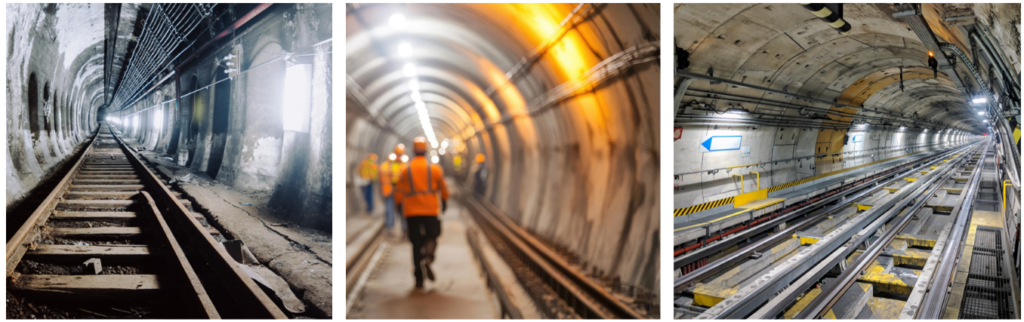
When a major rail tunnel is inaugurated, attention tends to focus on the civil engineering works. We talk about kilometres excavated, geological challenges and engineering milestones. Yet once trains begin running through it, a much longer and, in many respects, more complex phase begins: ensuring that the infrastructure continues to deliver its operational and technological performance for decades to come.
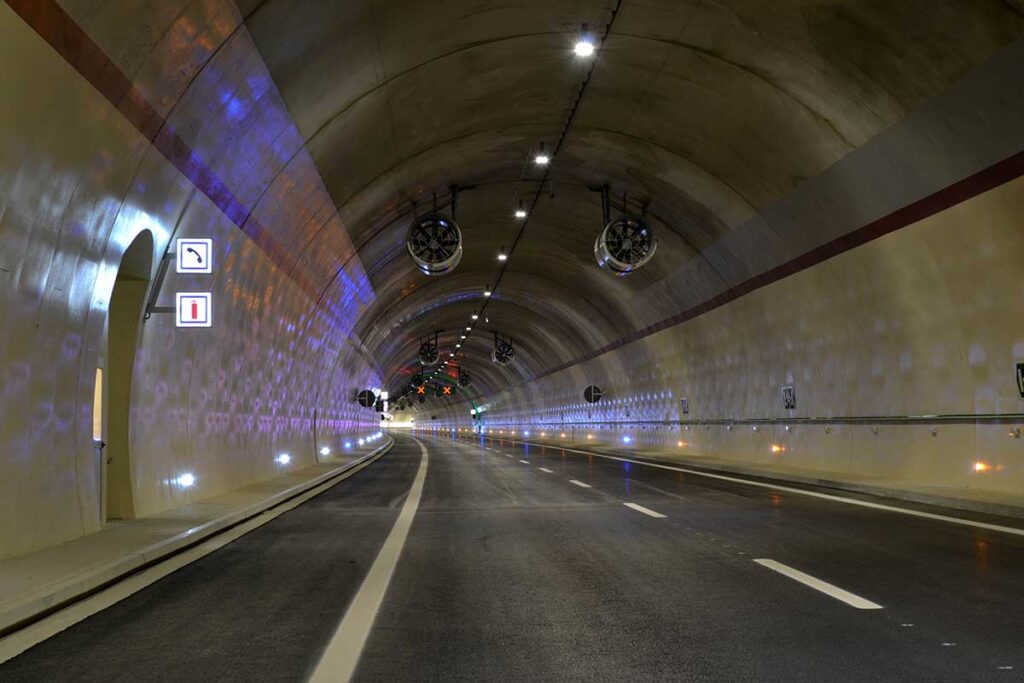
A modern rail tunnel is far from a passive asset. Within it, electrical systems, ventilation, fire protection, emergency communications, evacuation lighting, video surveillance, gas detection and supervisory systems capable of managing thousands of real-time signals operate side by side. Together, they form a single infrastructure that must function in a coordinated manner to support safe and reliable operations day after day.
The challenge lies precisely in that integration. The various systems are interconnected through constant dependencies and interoperability requirements. Any intervention on one of them may require coordination across several technical disciplines and highly detailed planning. For this reason, maintenance involves far more than inspections or equipment replacement. It is about understanding how a complex infrastructure behaves over time and supporting its technological evolution without disrupting operations.
What makes rail tunnels particularly distinctive is that their complexity does not stem solely from the number of systems installed, but from the need to manage them as a unified whole. Power supply, ventilation, fire protection, telecommunications, control and supervision do not operate in isolation. They are part of a single operational architecture that must continuously evolve while maintaining the right balance between availability, efficiency and sustainability.
Experience plays a role that is difficult to replace. Technology provides increasingly sophisticated tools for monitoring asset performance, but interpreting that information still depends on knowledge built up through years of operational experience. Understanding how installations age, identifying trends before they affect performance, or planning interventions compatible with operational requirements are capabilities that can only be developed through hands-on experience in the field.
The evolution of Spain’s rail network has also increased the technological sophistication of these infrastructures. The Pajares Bypass is a clear example of this transformation. Facilities such as the Pajares, Pontones, Vega de Ciego and Pico Siero tunnels incorporate ventilation, energy, communications, civil protection and supervisory systems that must be managed in a coordinated way as a single infrastructure. The technology required to achieve this is important, but even more critical is the ability to integrate and operate all these systems throughout their lifecycle.
At SICE, we have had the opportunity to participate for decades in the installation, integration, operation and maintenance of some of Spain’s most significant rail tunnels. This experience ranges from major high-speed rail infrastructure to conventional corridors with very different operational requirements. Our involvement includes projects such as the Pajares Bypass, the Galician Atlantic Axis, the new rail corridors in Extremadura and the Taboadela-Ourense section, as well as numerous tunnels across the conventional and metric-gauge networks located throughout the Mediterranean Corridor, north-western Spain and Andalusia.
This diversity provides an especially valuable perspective. While each infrastructure is shaped by its own specific conditions, certain challenges arise repeatedly: systems integration, efficient asset management, technological adaptation and the need for long-term planning. These are aspects that rarely make headlines, yet they are crucial to the long-term performance of the infrastructure.
Digitalisation, advanced monitoring and predictive maintenance are often highlighted as the key drivers of change across the sector. They are undoubtedly transforming the way assets are managed. Today, we have access to more information than ever and increasingly sophisticated capabilities to anticipate asset behaviour and optimise resources. Yet one element remains just as important as it was twenty years ago: understanding the infrastructure behind the data.
Rail tunnel management remains, at its core, a discipline of integration. It is about bringing together technologies, processes, teams and specialist expertise so that complex infrastructures can maintain their performance over time. Perhaps this is what makes the field so fascinating: the more technology advances, the more important it becomes to connect it, coordinate it and ensure that everything works together seamlessly.
Passengers who travel through a rail tunnel every day are rarely aware of this reality. And that is perhaps the clearest indication that everything is working as it should. Behind every journey lies a sophisticated technological infrastructure, managed by professionals from multiple disciplines, united by a common objective: ensuring that all systems continue to operate in coordination many years after the tunnel enters service.
Ultimately, the value of a rail tunnel is not measured solely by the scale of its construction. It is also measured by its ability to continue delivering reliable service, adapt to new requirements and evolve technologically over decades. That is arguably the least visible aspect of these infrastructures and, at the same time, one of the most compelling challenges in modern railway engineering.