Since the beginning,
the company's development has been closely linked to that of the city of Madrid itself. Since the beginning of the century, SICE has worked for the Madrid City Council, especially in the areas of lighting and traffic management.


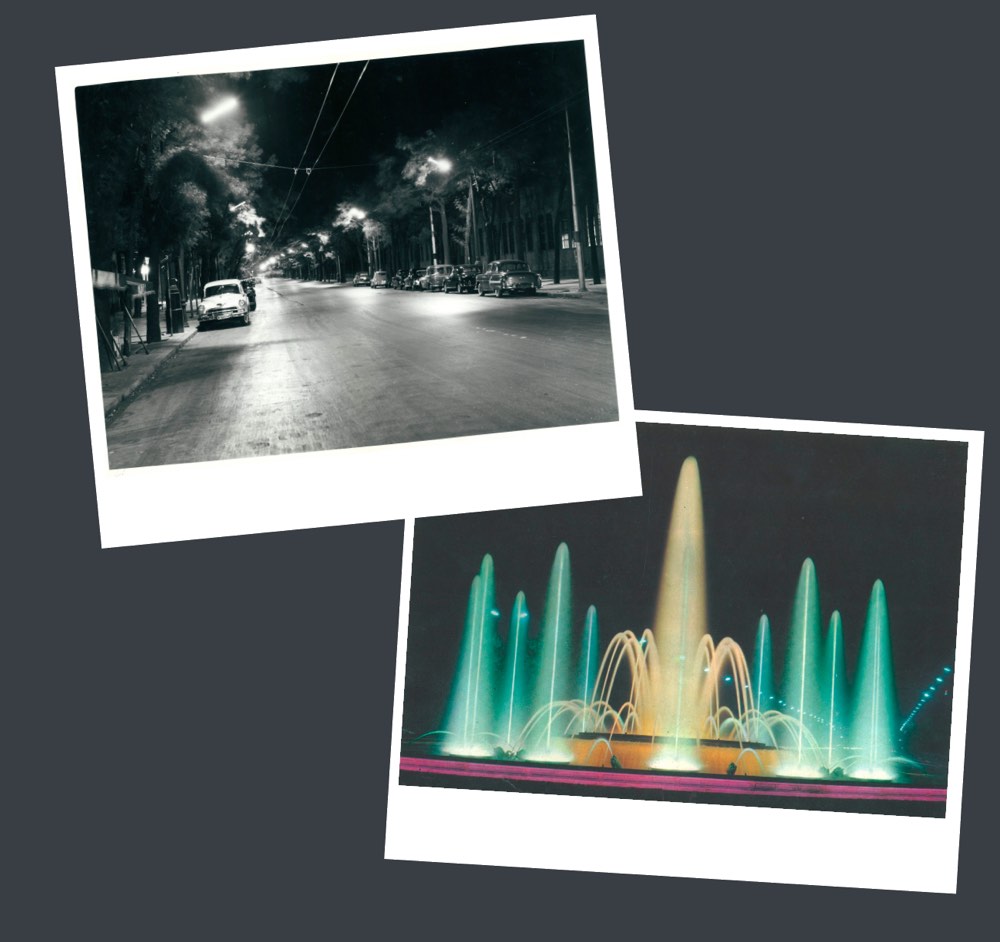
the company's development has been closely linked to that of the city of Madrid itself. Since the beginning of the century, SICE has worked for the Madrid City Council, especially in the areas of lighting and traffic management.
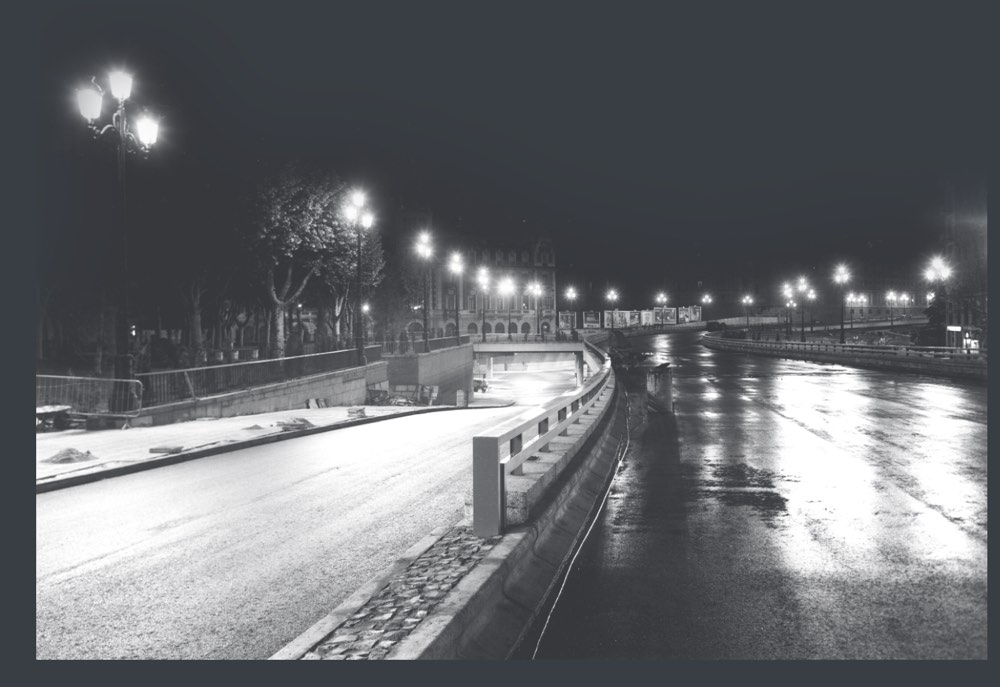
the project to modernise public lighting was slow but constant. The Civil War interrupted it, and it was not until the 1940s that street lighting was reactivated, albeit gradually, as the scarcity and poverty of those years did not allow for such a large expense. There were still many streets with gas and oil lanterns at that time. The public investment made it possible to gradually substitute these with electric lighting from the 1950s. The previous ones did not completely disappear until well into the 1960s. Installations from the mid-20th century extensively illuminated many kilometres of streets in Madrid.
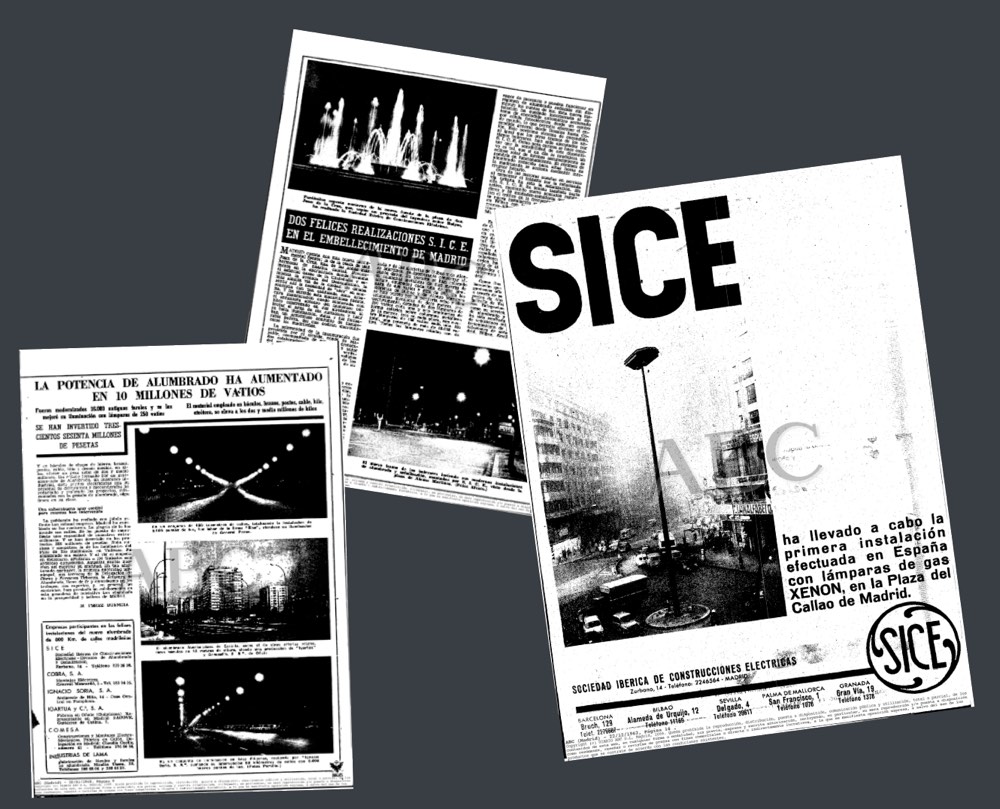
Boosting lighting in Spain.
In the 1960s, the desire to promote Spain as an international tourist destination led the public administration to make a new effort to improve urban lighting in the streets and around ornamental fountains. In this process, innovative technology, such as the so-called "copper spark plug", with high light output, or xenon gas lamps, was tested.
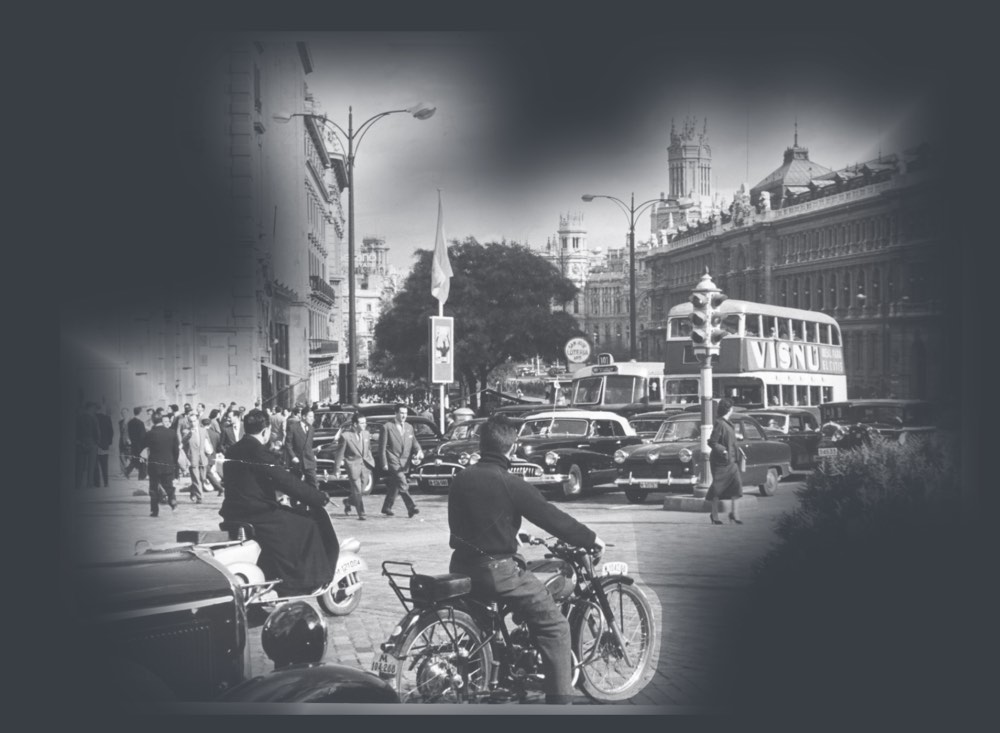
As the cars in circulation increased, traffic regulation was transformed. After the late 1960s, the electronic revolution in regulators went one step further: it went from relays to transistor circuits, from there to digital logic integrated circuits, and finally to microprocessors. This revolution, which took place in all areas (telephones, televisions and radio, computing, etc.), allowed for a much more ambitious plan for traffic regulation in the city of Madrid in the 1980s. It was called the Recta Plan (which would later be called Recta 0 due to its subsequent continuity). The aim was to improve and update the Traffic Light Regulation Network in the city, including creating a control centre.
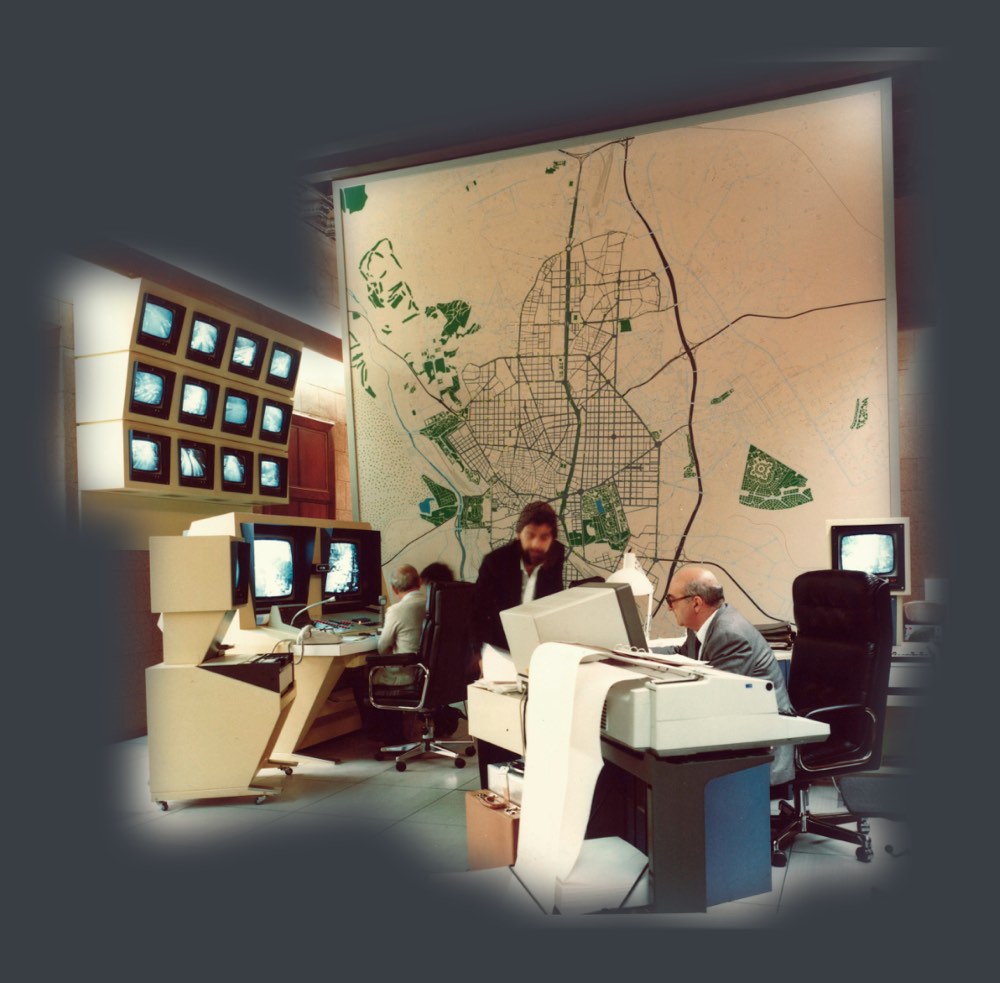
later with Recta 1 and Recta 2, executed between 1990 and 1996, and expanded the centralised traffic regulation outside the city's central core, beyond the M30. The control centre, which worked with algorithms to select and generate traffic plans, began implementing self-adaptive systems and micro-regulation at intersections.
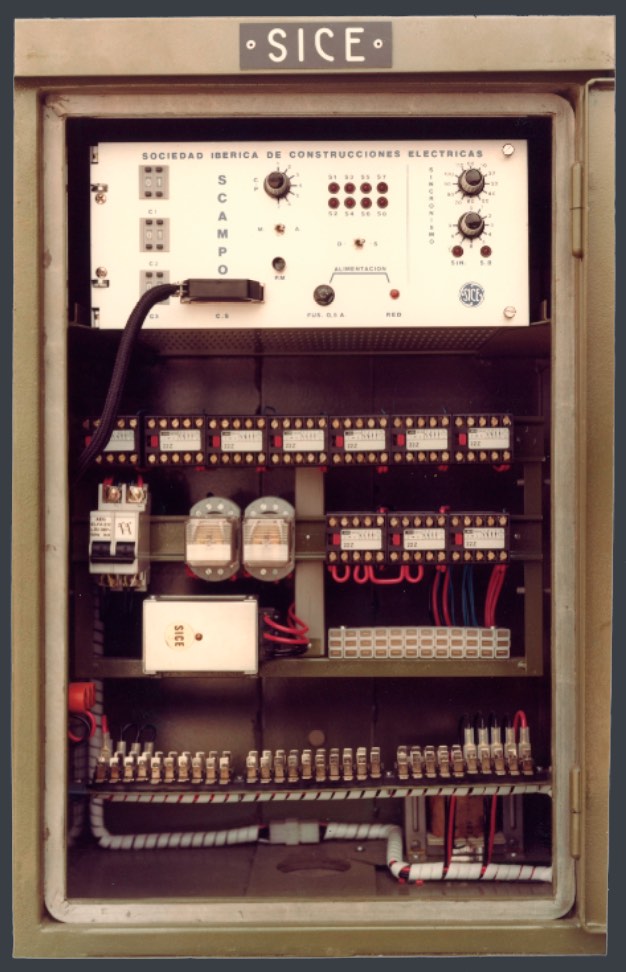
Madrid's experience and improvements were replicated in other Spanish cities such as Gijón, whose 1992 traffic centralisation project brought together in a single control centre both the city's traffic management and the communications of the Municipal Police and services of the municipal water (EMASA) and urban public transport (EMTUSA) companies.
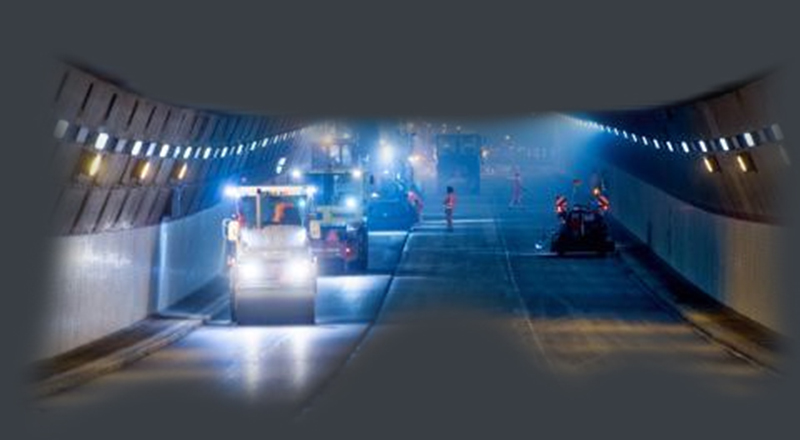
SICE continues to work on preventive and corrective maintenance tasks, modernises facilities in more than 100 large towns in Spain, and manages traffic control centralisation for many of them.