
Choose language
Search
  • Homepage
    HomepageHomepageHomepageHomepageHomepage
  • Timeline
    TimelineTimelineTimelineTimelineTimeline

Between 2002 and 2006,

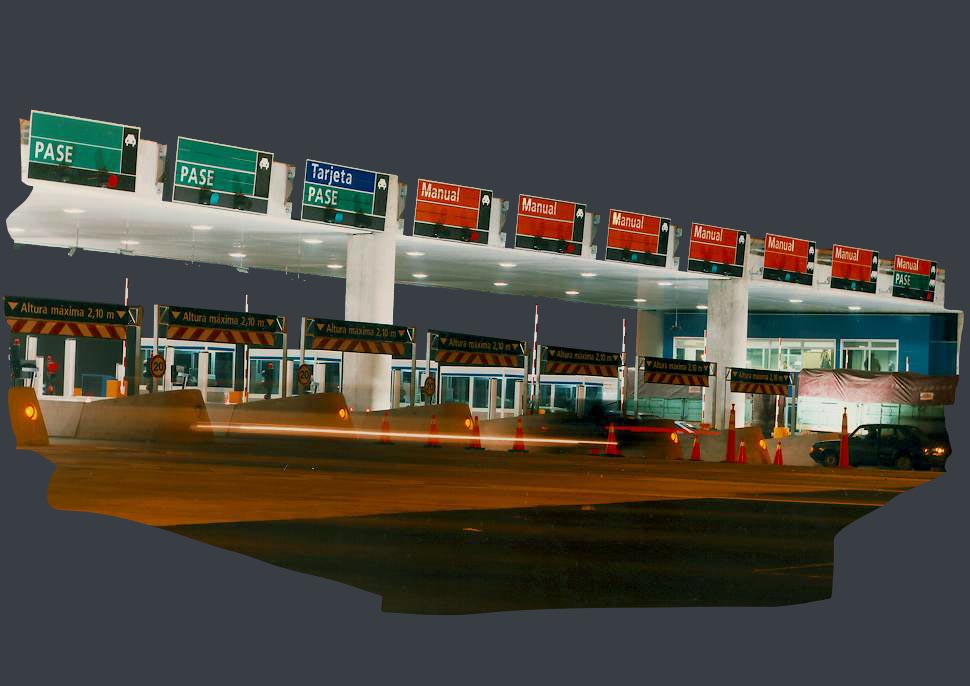
SICE worked for the first time on implementing an innovative Free Flow tolling system. It was on the Central Highway and the Américo Vespucio in Santiago de Chile, where the installation and integration of all field systems for the electronic collection of vehicles was carried out without interfering with the flow of circulation. A sophisticated operational back office was also installed, allowing SICE to be at the forefront of these systems and undertake similar projects in other countries.
Before this installation,

SICE had started its journey in the tolling sector from its incorporation into Dragados Industrial, carrying out traditional tolling facilities and shadow tolls, such as the Teodoro Moscoso Bridge (in San Juan de Puerto Rico); Ausol and Ausa (in Buenos Aires); Bakwena (in South Africa); Aumar, Aucat, R2 and AP8 in different parts of the Spanish territory; and the shadow tolls of the A-419, A-417 and A-13 motorways in the United Kingdom.

The results of that first free flow project

were decisive for awarding the Eastlink corridor in Australia, completed in 2008. This experience in the Anglo-Saxon sphere, prioritising the project's design, its documentation and testing, was key for the consolidation of SICE in all its working areas.

After its success in Australia,

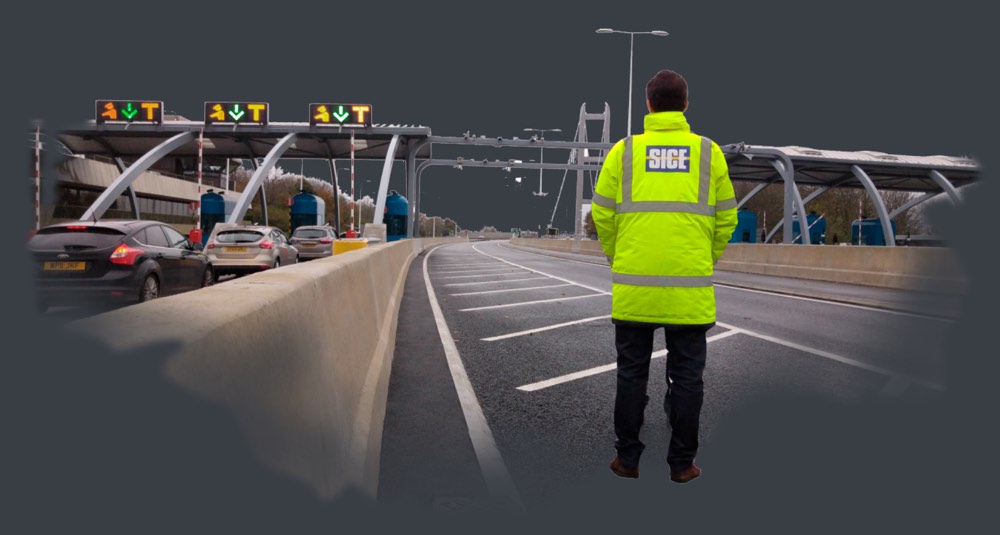
SICE consolidated its path in the international market with projects such as the Itchen Bridge in Southampton, the free flow and traditional mixed toll on the bridge over the Humber River in the United Kingdom, the operational BackOffice on the Sydney motorways. or the Altacomulco Maravatío Highway in Mexico, as well as others in Chile, Colombia or Brazil.

In 2021,

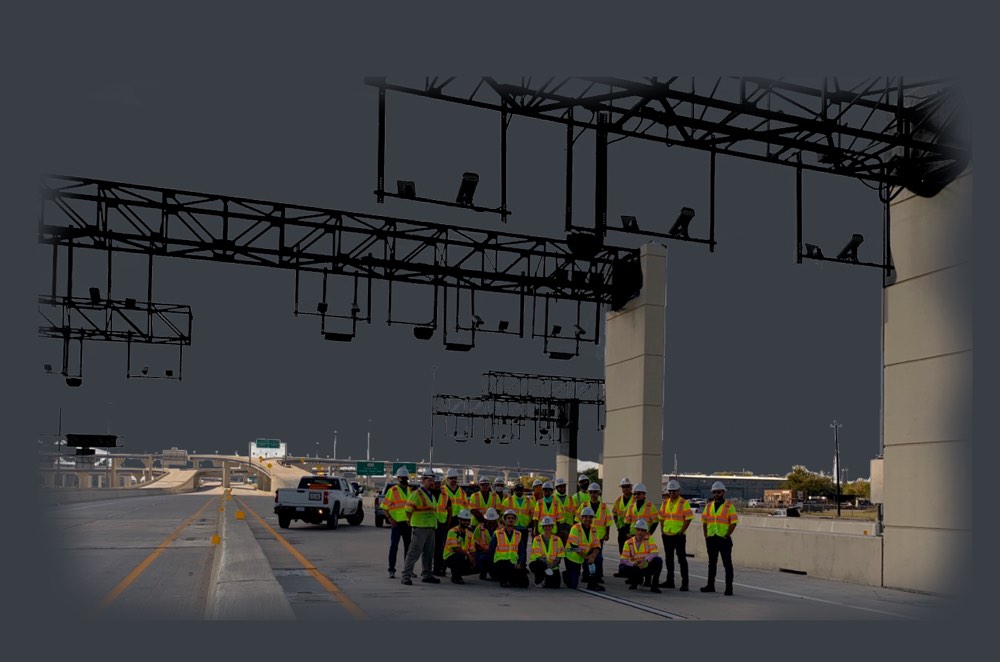
the implementation of the Open Road Tollin in the SH288 highway in Houston was completed (it started in 2017). This project integrated all the latest developments to improve tolling systems. On the one hand, the free flow system in the express lanes was designed to rate based on the traffic carried. On the other hand, a "Toll Competence Centre" was designed and installed to manage the project, offering the licensee maintenance and assistance services.