Implementing the Security
and Surveillance System in Metro de Madrid was a new challenge for SICE, which applied its knowledge and experience to a new sector: urban transport.


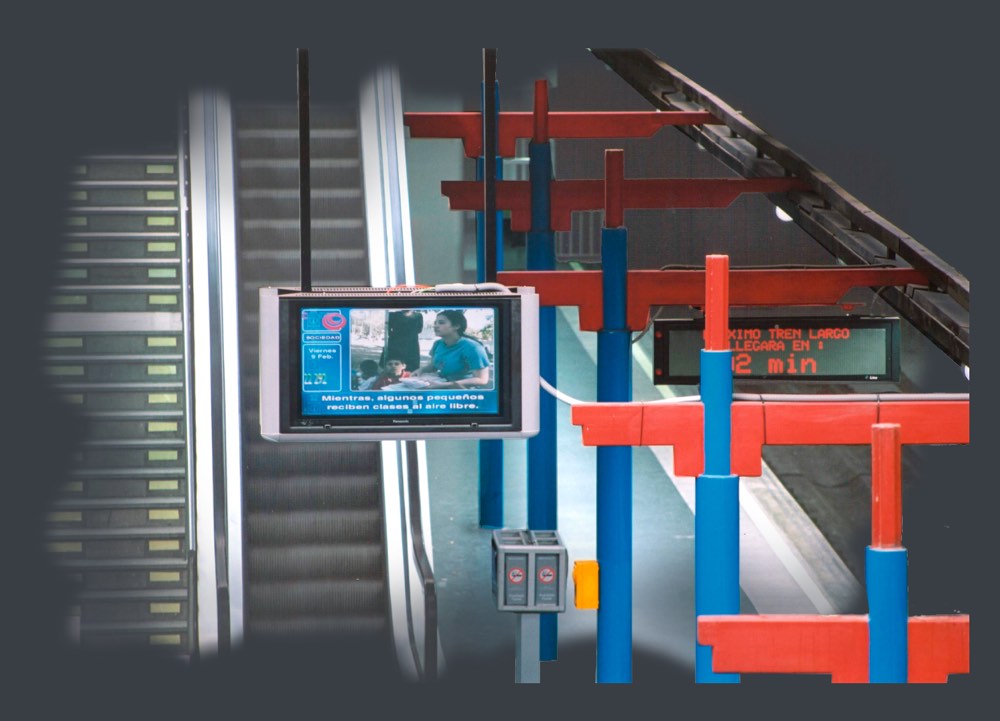
and Surveillance System in Metro de Madrid was a new challenge for SICE, which applied its knowledge and experience to a new sector: urban transport.
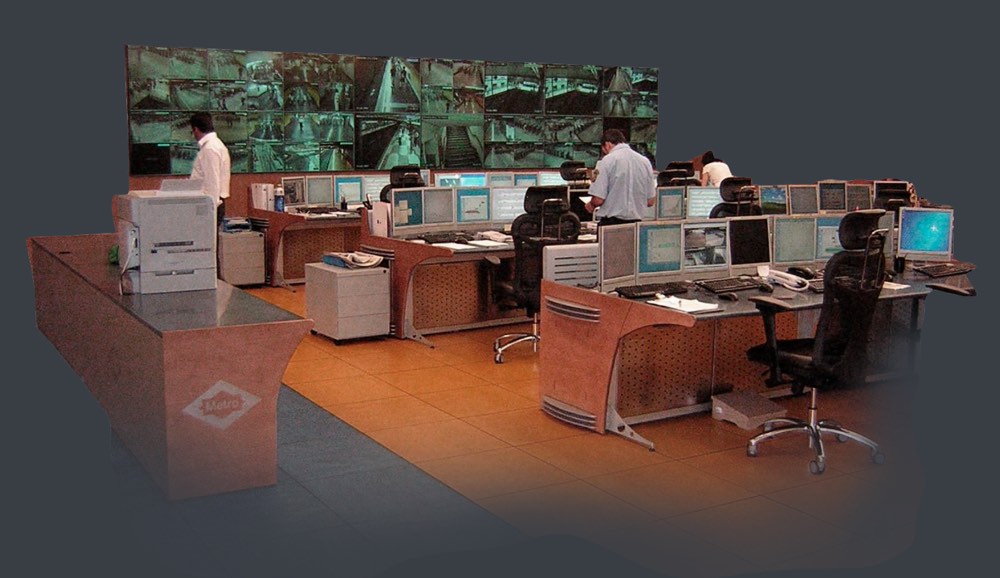
the agility of urban transport and the safe, efficient and comfortable mobility of users were challenges for big cities. In 2004, SICE was ready to take on this challenge.
Although the company had already executed some projects in the transport sector, such as the trolleybuses in Ecuador and Venezuela, the main experiences had been acquired in the Madrid Metro, when the METROSUR communications network and the Metro-Madrid Channel were implemented.
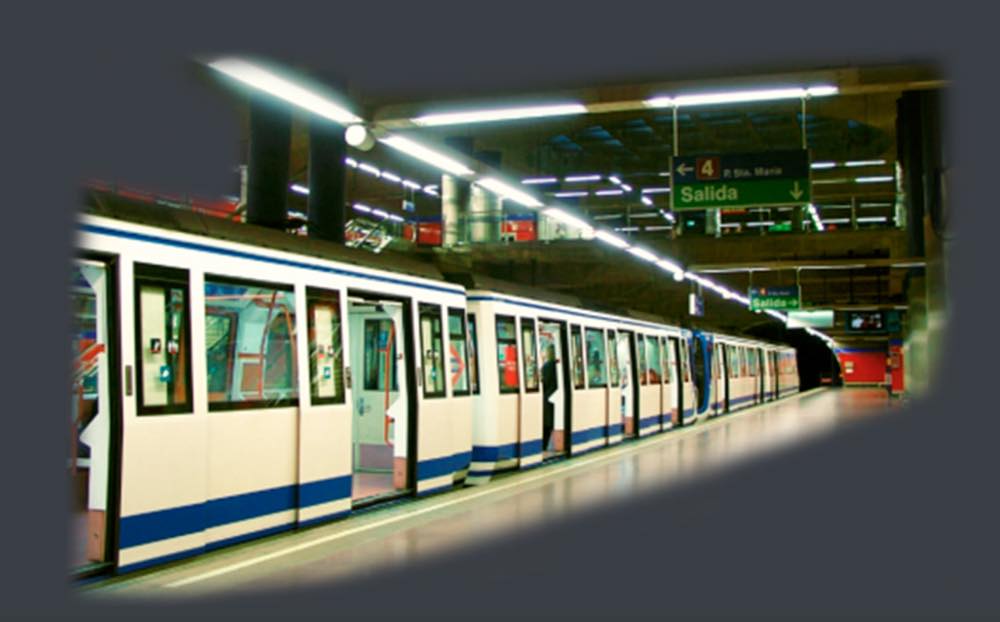
the challenge of centralising all the security, surveillance and communications systems of Metro de Madrid was addressed. More than 4000 cameras were installed "on the ground" in this project, and another 2000 onboard the trains. All of them were connected to two large control centres and six security centres. The project was complemented with the installation of all the necessary communications networks, anti-intrusion systems and access controls to restricted areas.
In this project, SICE applied all its previous experience and knowledge from different business areas and learned the keys of operation and exploitation in the transport field, allowing it to undertake other projects in this sector.
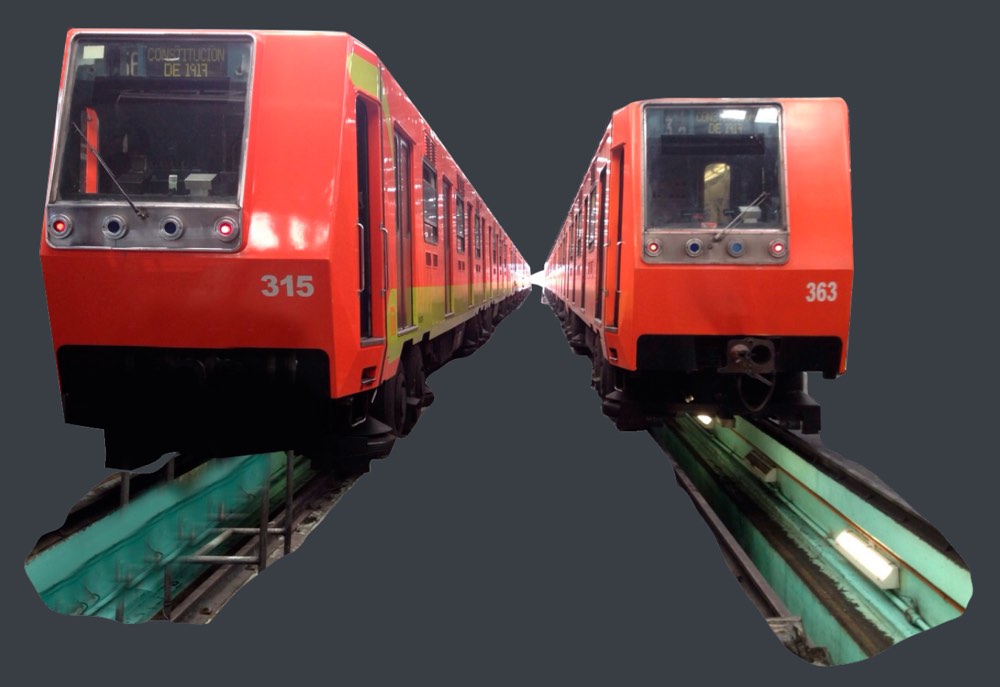
Tetra for the Metro of Mexico that the company designed and installed in 2014. It is a radio communication system with digital technology that serves ten metro lines and is designed so that other transports in the city can use it in the future.
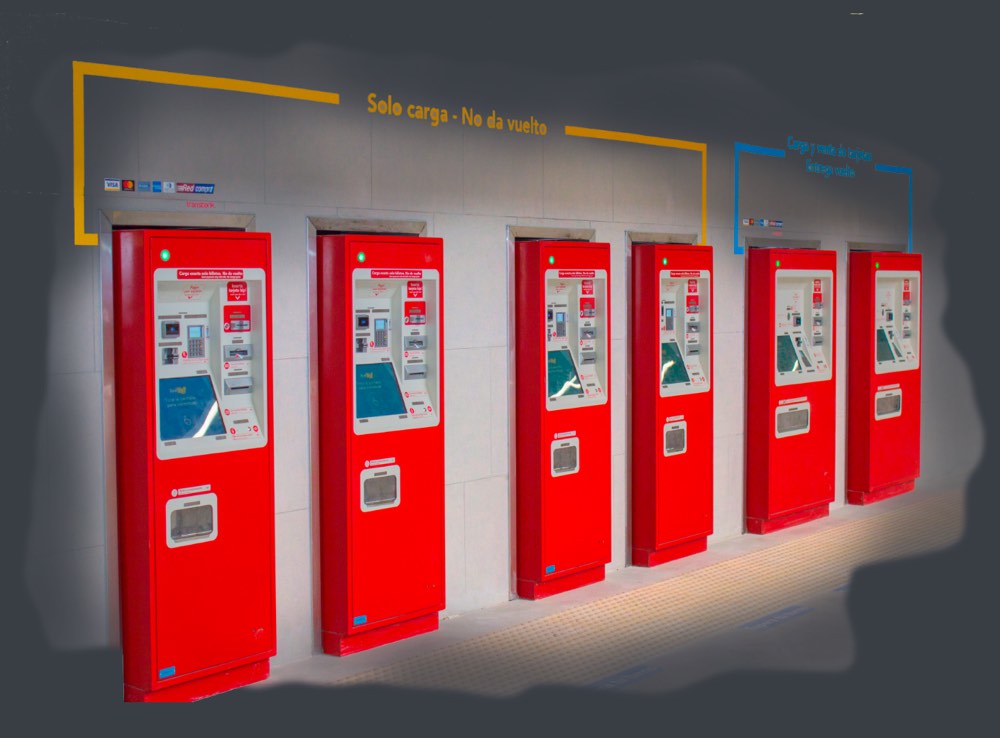
the IP network over fibre optics and the Tetra network over radiant cable were installed along 37.3 km of tunnels and stations, which supported the communication and security system of two lines that operate without train operators. The ticketing installations in Seville and Valencia's metro made it possible to undertake the ticketing project in the Santiago Metro, which also included a complete user-oriented information and security system.
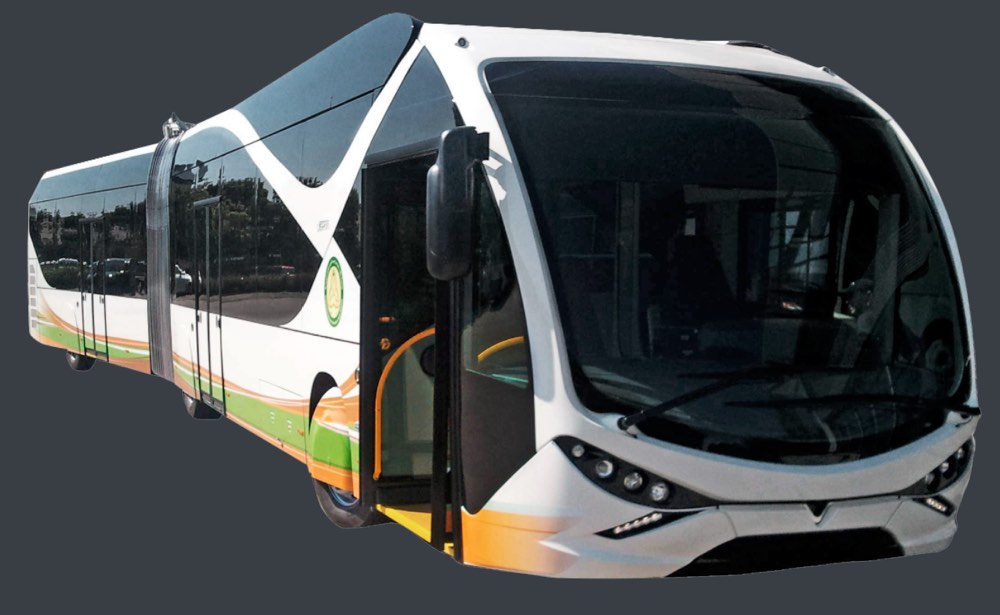
These experiences allowed SICE to improve and enhance its services with the trolleybus installation. The most unique project was the Riyadh BRT (2013). This electric bus line, designed to circulate on a fast track, was a Comprehensive project for SICE, where 12 vehicles, 10 km of catenary, traffic lights to prioritise the passage of this transport and 12 passenger stations were designed, supplied and installed in addition to the communications system and the control centre. SICE has been operating and managing this facility for 8 years.