

Choose language
Search
  • Homepage
    HomepageHomepageHomepageHomepageHomepage
  • Timeline
    TimelineTimelineTimelineTimelineTimeline

The International Division

In 1998, SICE exported its technology applied to ITS solutions by installing the access control system to Lisbon, s part of the Universal Exhibition held in the city that year. After concluding this project, and with different worldwide projects, SICE's International Division was born.
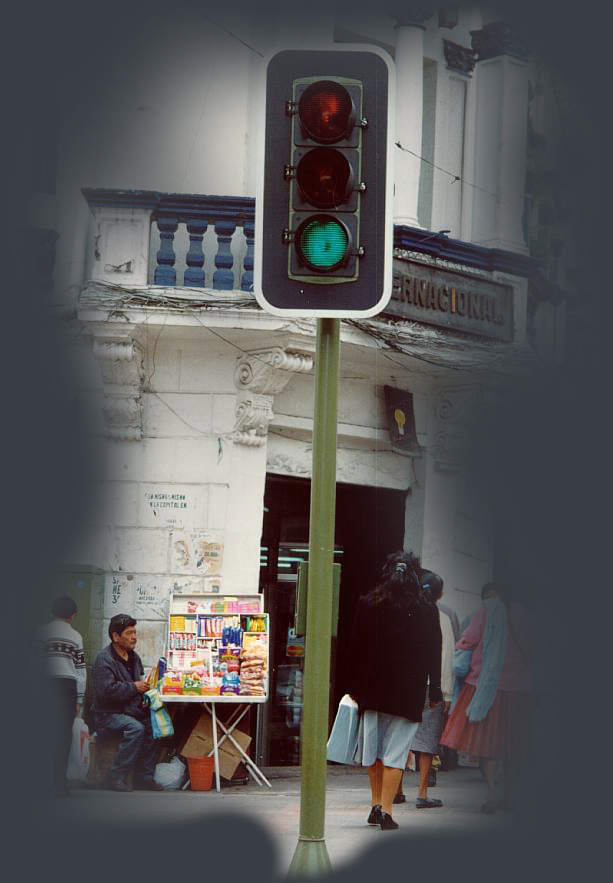
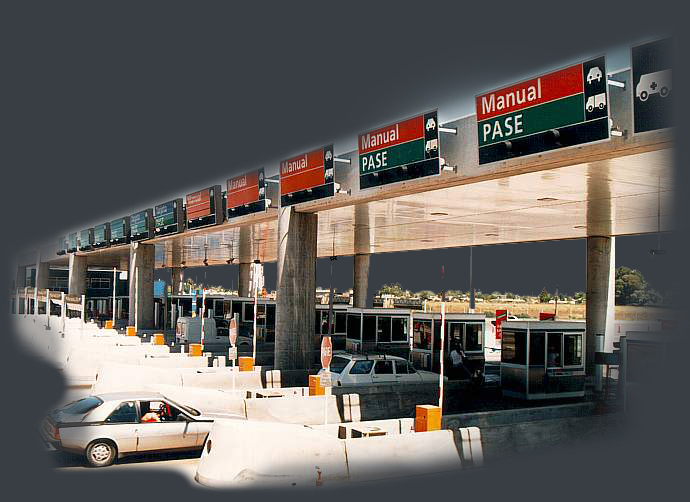
Quito traffic lights

The first installation abroad was the Quito (Ecuador) traffic lights system in Quito (Ecuador) at the end of the 1980s. However, the toll facilities gave the most important impetus to the company's international expansion.

It happened from
1991 onwards,

when SICE became part of Dragados Industrial, taking over the projects that DINSA's tolls department was developing. Thus, the path was being paved in Latin America, starting at the Teodoro Moscoso Bridge in Puerto Rico, followed by the Sol and Ausa motorways in Argentina. The incorporation of SEI and Dyctel allowed the company to work in new sectors such as communications operators, petroleum instrumentation and automobile factories.

After the creation of the
international division,

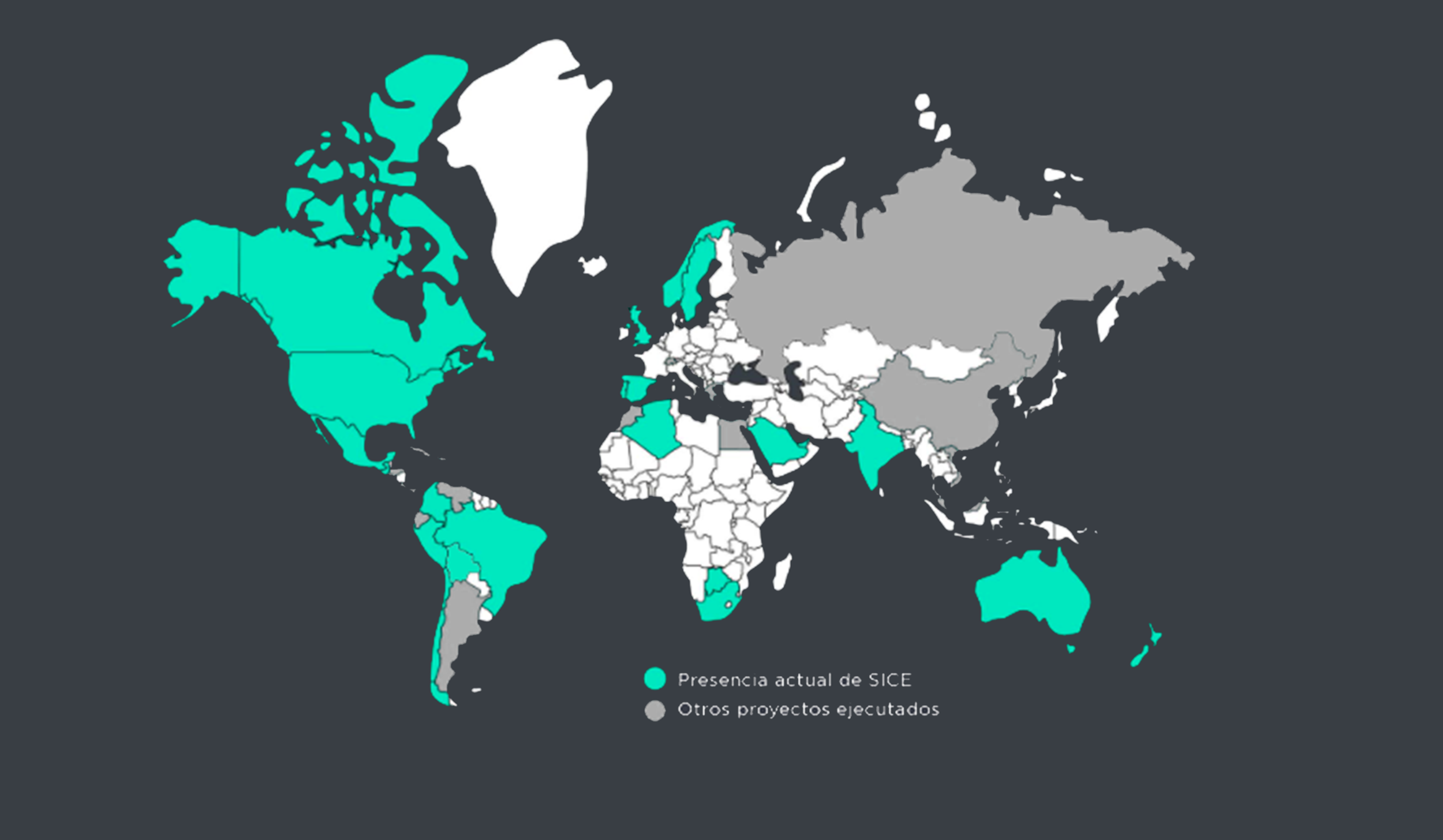
SICE worked on large projects in the United Kingdom (shadow tolls), Colombia (tunnels), Mexico (instrumentation for Pemex), South Africa (tolls) and Venezuela (Trolleybus). But it was the toll projects developed in Chile in 2005 that led to a real change with the implementation of the second Free Flow toll worldwide, in a country that worked very close to the Anglo-Saxon model.

This experience allowed

SICE to cross the borders and initiate activities in countries such as Australia, New Zealand and the United States, where today is a leading company in different areas.

Over the years

SICE has executed unique projects in countries such as China, Russia, India, Algeria and is currently present in more than 30 countries.

In addition, in recent years, the company has started projects in Northern Europe with unique tunnel installations in Sweden and Norway. It has also reinstated its activity in automotive robotics.