
Choose language
Search
  • Homepage
    HomepageHomepageHomepageHomepageHomepage
  • Timeline
    TimelineTimelineTimelineTimelineTimeline

In 1992

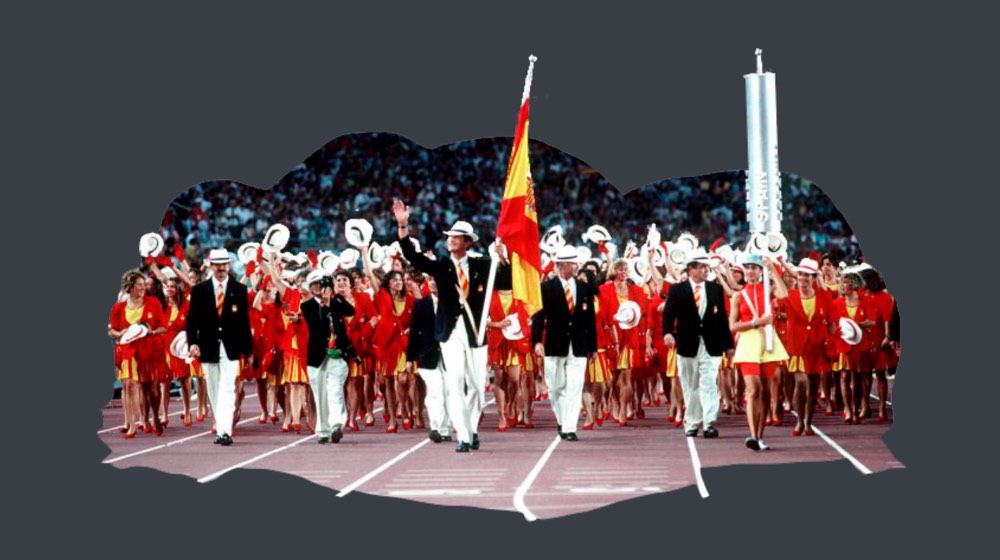
the whole world had its eyes on Spain. The holding of the Olympic Games in Barcelona, the Universal Exhibition in Seville and Madrid as European Capital of Culture astonished everyone due to the organisational skills of those in charge, for the hours of entertainment and enjoyment they offered and the image of modernity projected.
Modernising the country

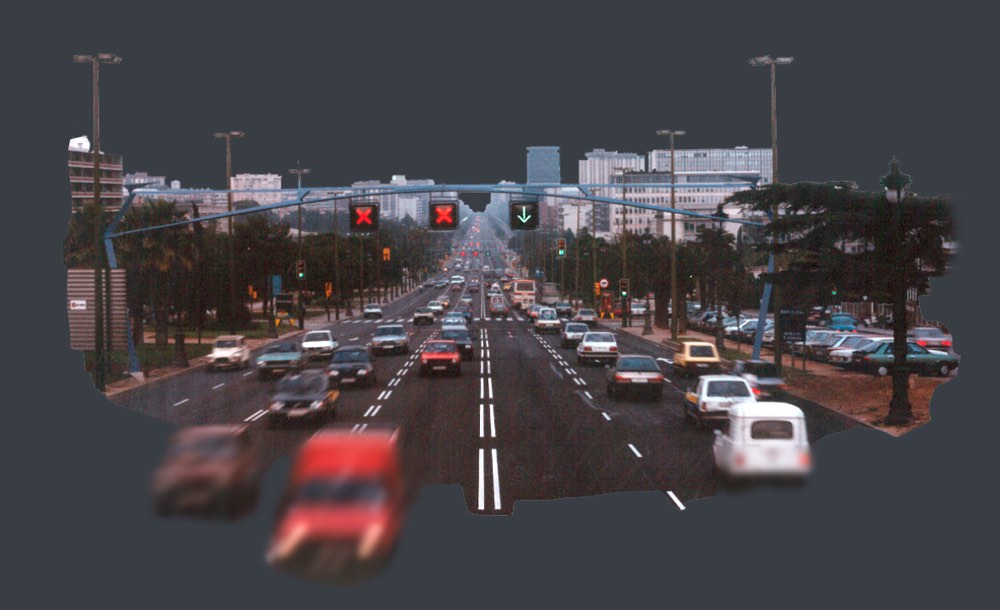
But how was all this achieved? It took a huge collective effort to modernise the country. One of the key elements was the renovation of infrastructures. The Directorate-General for Traffic worked intensively to improve road safety, fluidity and comfort of transfers, reducing accident rates on the roads and pollution. Traffic regulation expanded its scope for the first time: by controlling the urban traffic, interurban traffic, and access to the main cities.

The General-Directorate for Traffic

Since 1985, SICE has already participated in different activities for the DGT. This collaboration began with the execution of the COSIVENSA project, for the management of reversible lanes of the N-II and the Paseo de Extremadura in Madrid, in parallel with other projects to control urban crossings national highways, such as the maintenance of SOS poles In Andalucia. SICE has also worked in the maintenance of urban traffic in Barcelona, both in the installation of regulation equipment and city traffic management

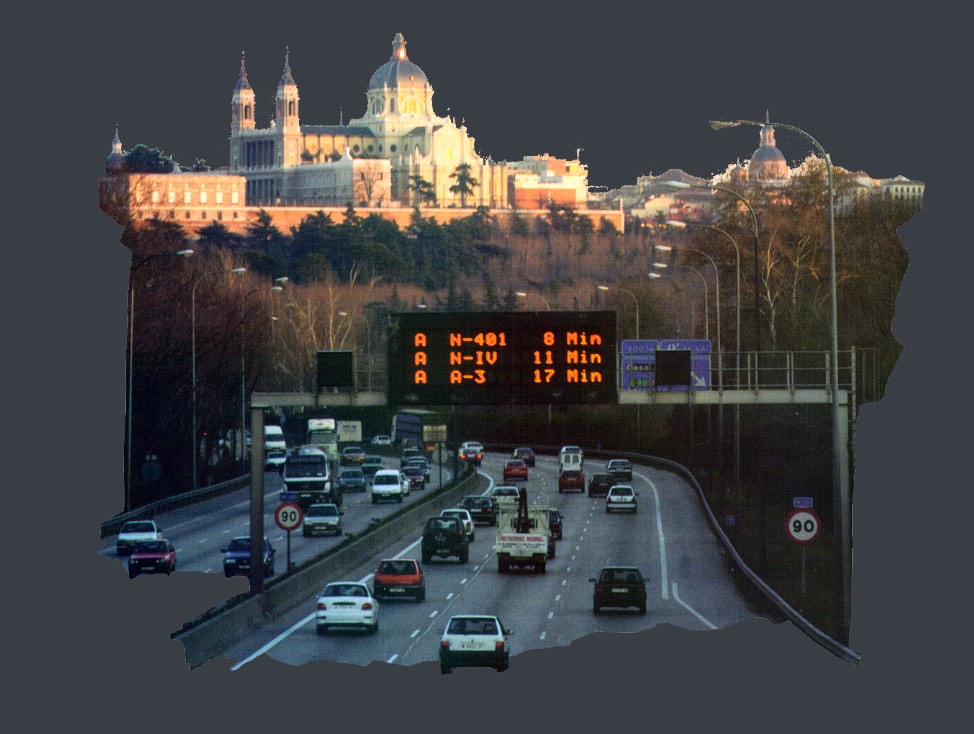
But it was in 1991, within the framework of this global modernisation, SICE (in a joint venture with two other companies in the sector) undertook the first major work for the DGT: MADRID-92, which managed all accesses to the city and its M- ring road. 30.

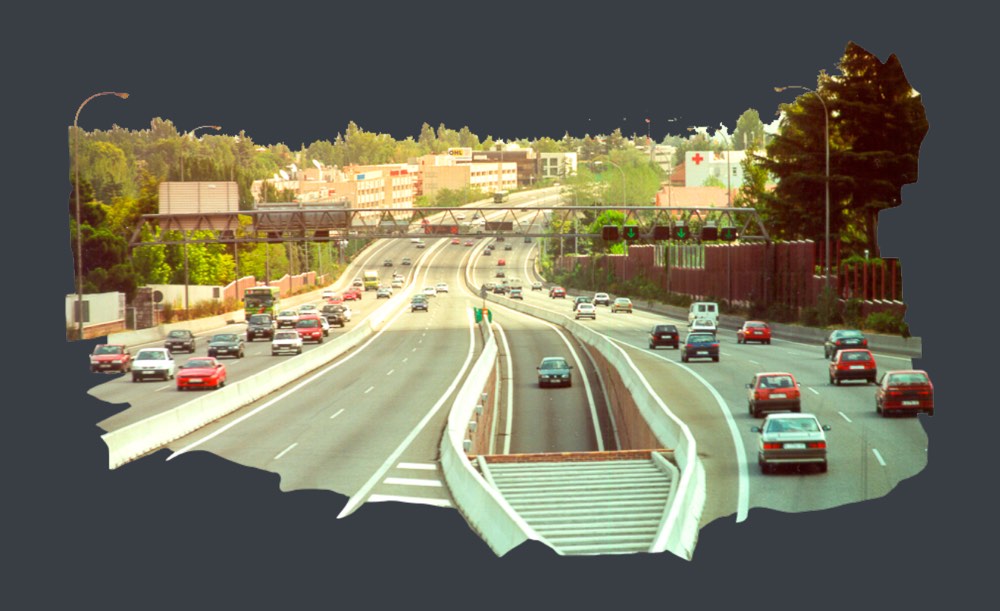
Traffic signalling on the M-30

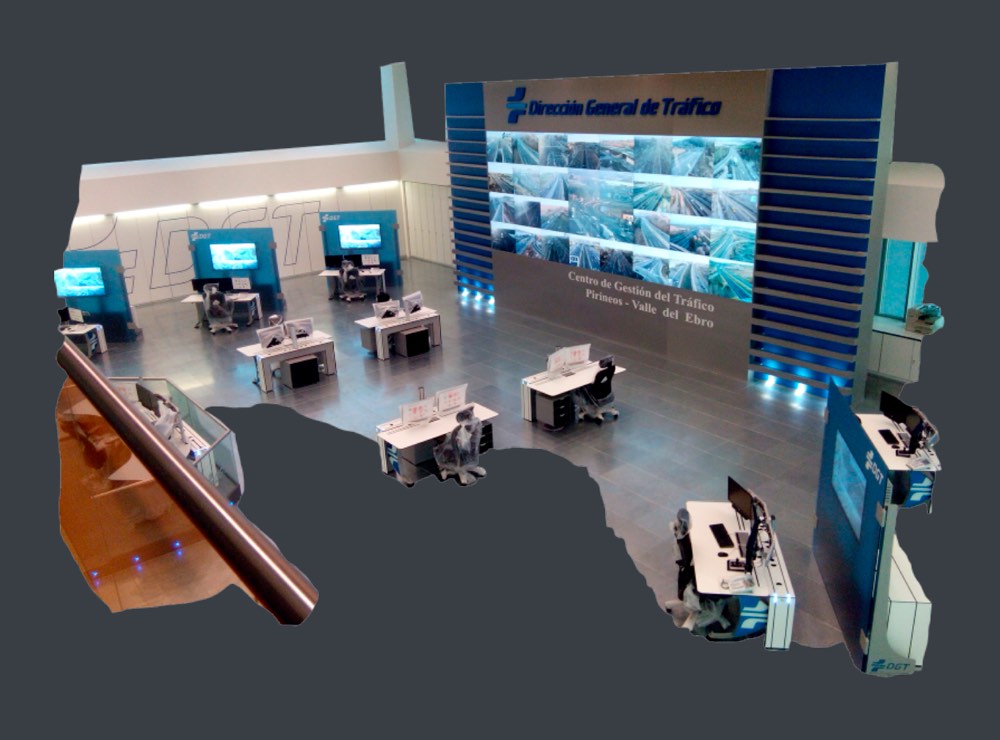
SICE was in charge of the traffic control and signalling project on the M-30. This project represented a revolution in ITS systems with the first large fibre-optic communications ring, supporting video, audio and data. It connected two control centres, supporting all the national highways that started in Madrid.

For 30 years,

SICE has continued to evolve and improve the ITS solution of the M30, applying, for example, the first information system on travel times in Spain in 1998 (second in the world only after Paris).

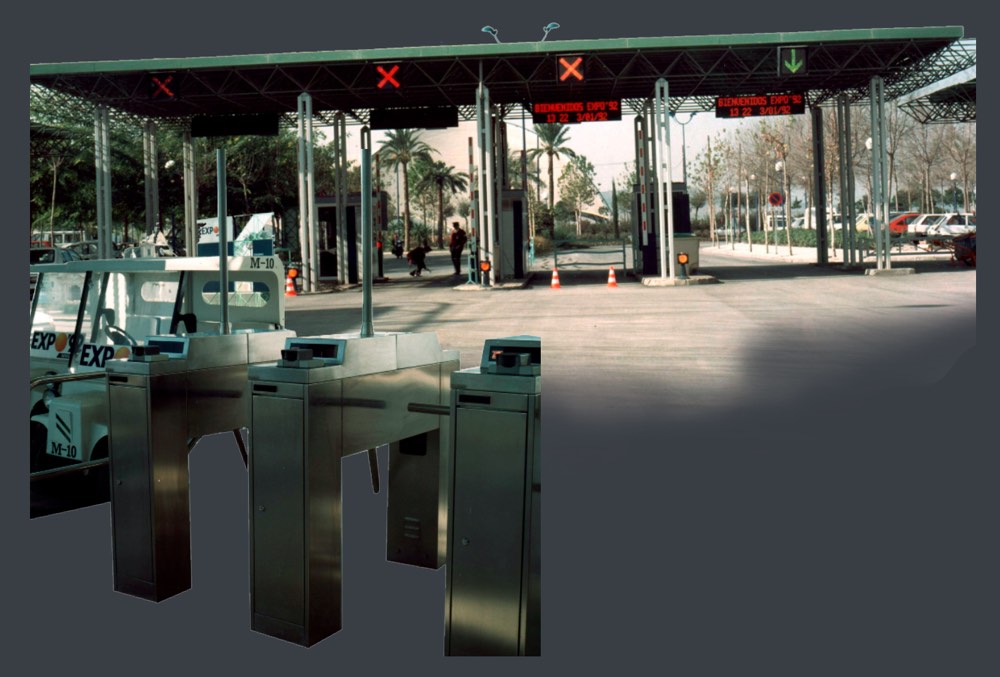
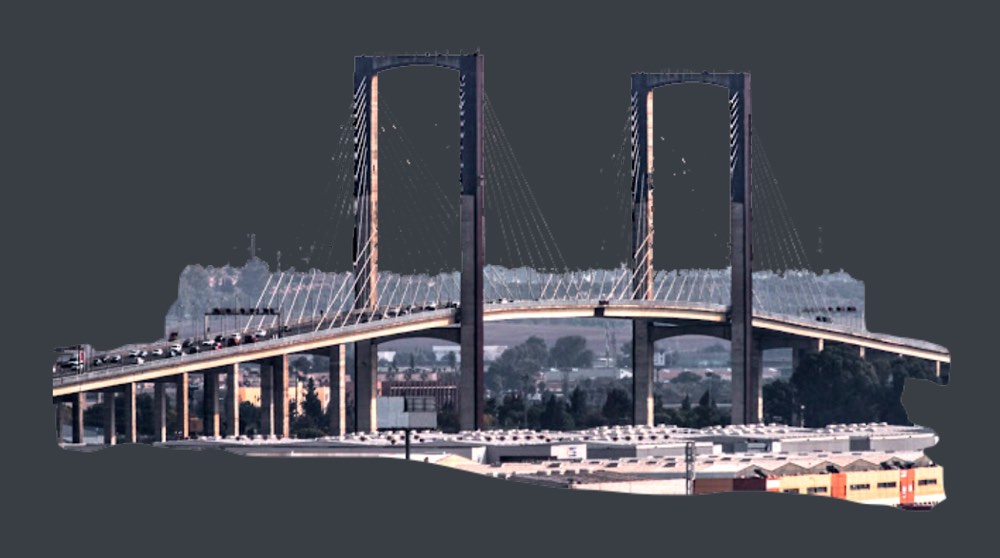
In Seville, and under the umbrella of the Expo, the Giralda urban ITS project supposed the total transformation of the city entrance roads. SICE installed access controls for the Universal Exhibition. Urban traffic was centralised with the DGT by establishing the reversible lane on Centenario Bridge for the Ministry. This project served as a prelude to the subsequent modernisation of the city in the early 2000s with the implementation of public transport priority systems.

Consolidating the relationship

After these projects, SICE and the DGT consolidated their relationship, providing innovative solutions for access to cities such as Valencia and Zaragoza.

For these cities, an Access Control System with 100% proprietary technology was designed and installed for the first time, both in-field equipment and ITS application software.

In 1995, SICE designed and installed the equipment and software for the exclusive BUS-VAO reversible lane on the N-VI, using one of their in-house solutions.

Innovating in technological proposals

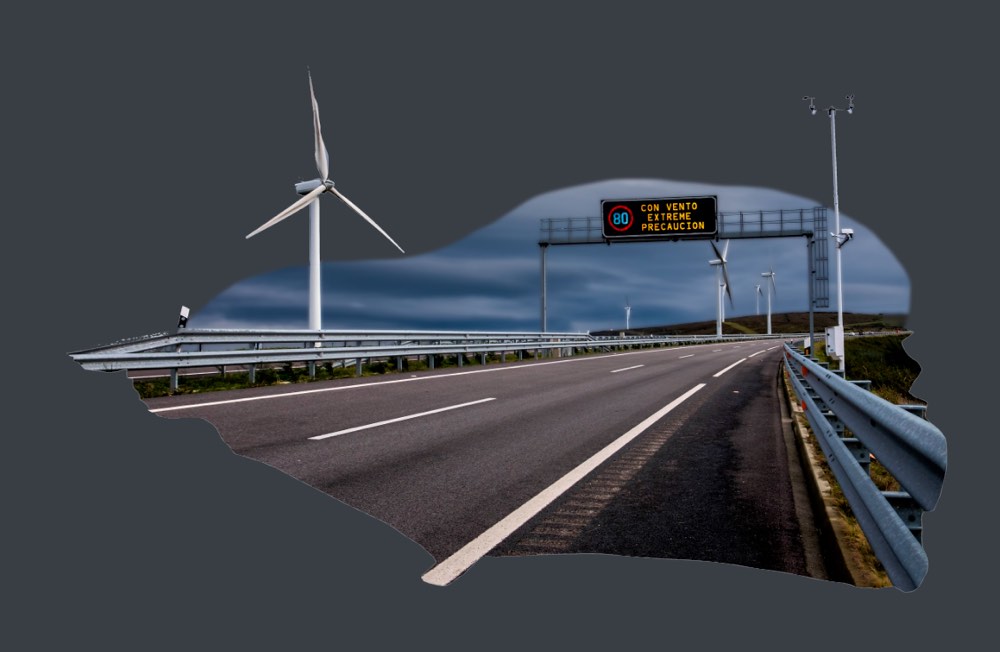
In addition, the company collaborated in the standardisation working groups led by the DGT, proposing the best solutions in ITS and innovating in technological developments. Among others, fog beacon systems, variable speed lanes, travel time panels, intelligent signalling at dangerous crossings and weather forecasting systems were designed and installed to anticipate their impact on the condition of the roads.

Subsequent projects such

as road safety systems and access control to the Northwest, South, Asturias, Pyrenees or Balearic Islands consolidated the company's work in improving road safety and mobility in Spain.

In recent years, small projects have been carried out to offer effective and cost-efficient solutions to specific problems. Such as the detector beacons installed on the A-8 Mondoñedo-Vilalba motorway, that keeps the driver aware of the distance from the vehicle ahead in the event of intense fog; the automatic systems of prevention of rear impact, meteorological prediction systems; intelligent signalling systems at low visibility crossings or access control systems in the Parque Natural de Los Lagos de Covadonga.