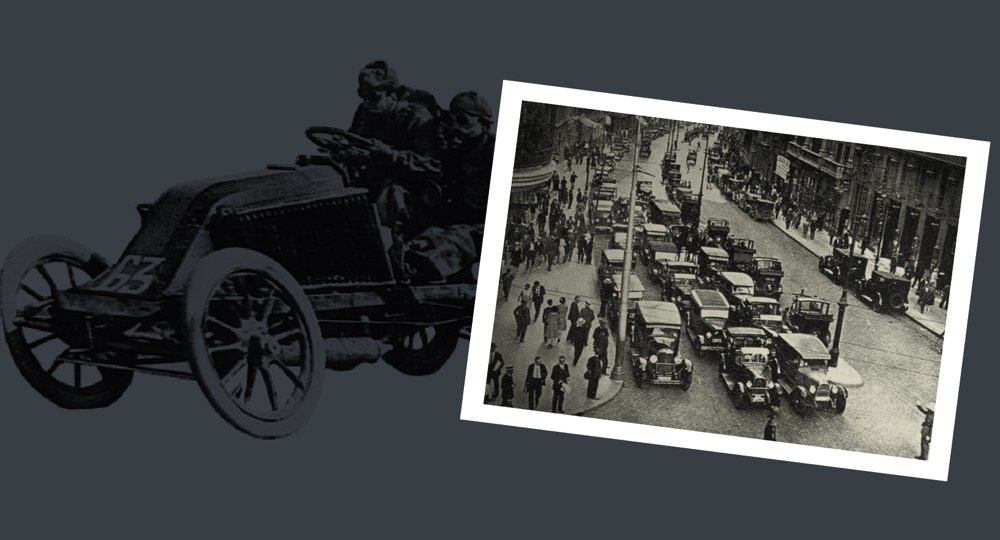
Although the first cars started to be manufactured in the early 20th century, at that time, it was still a luxury means of transport. It would be many years before they became a major part of urban life in large cities. Their gradual adoption was slow, contributing to a problem that required innovative solutions: traffic.
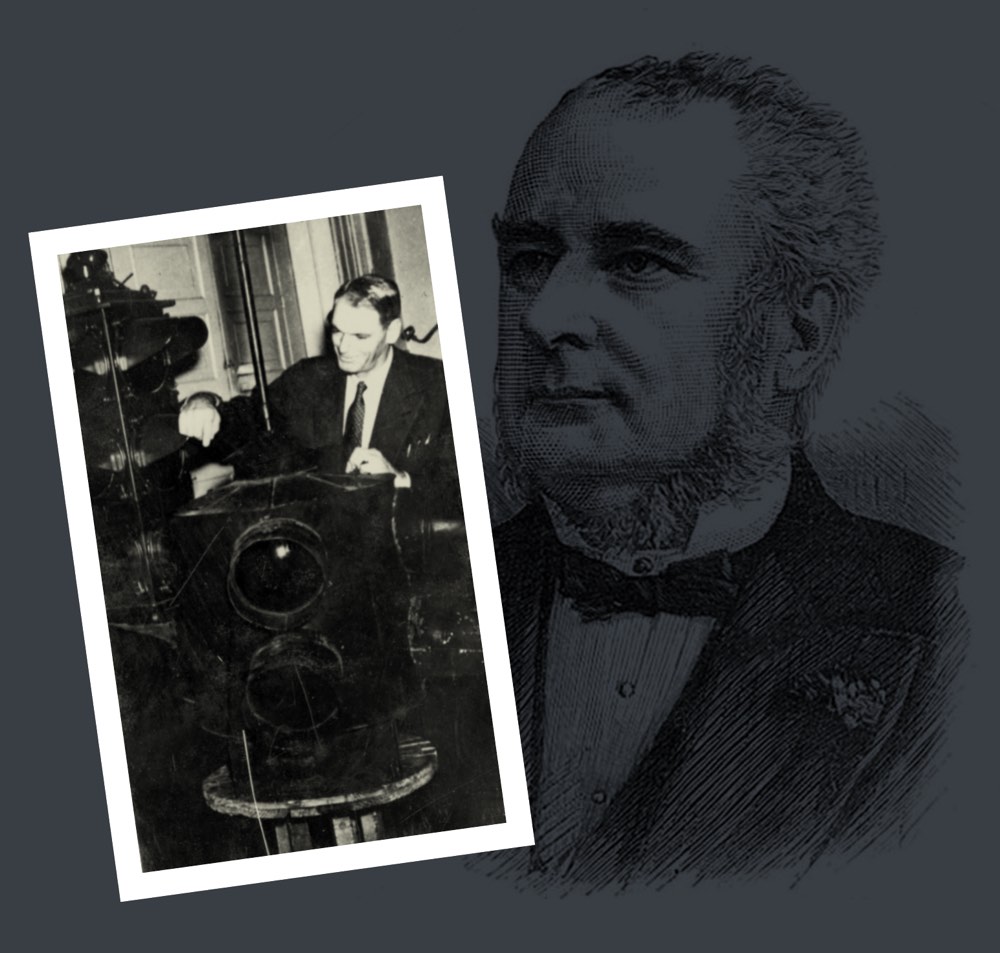
John Peake Knight
He had already invented the first mechanical traffic light in 1868 to regulate the traffic of pedestrians and carriages. But it was not until 1912, when the greatest efforts were made in the United States to solve this problem, that they designed then a new language based on coloured lights.
A pioneer in the implementation
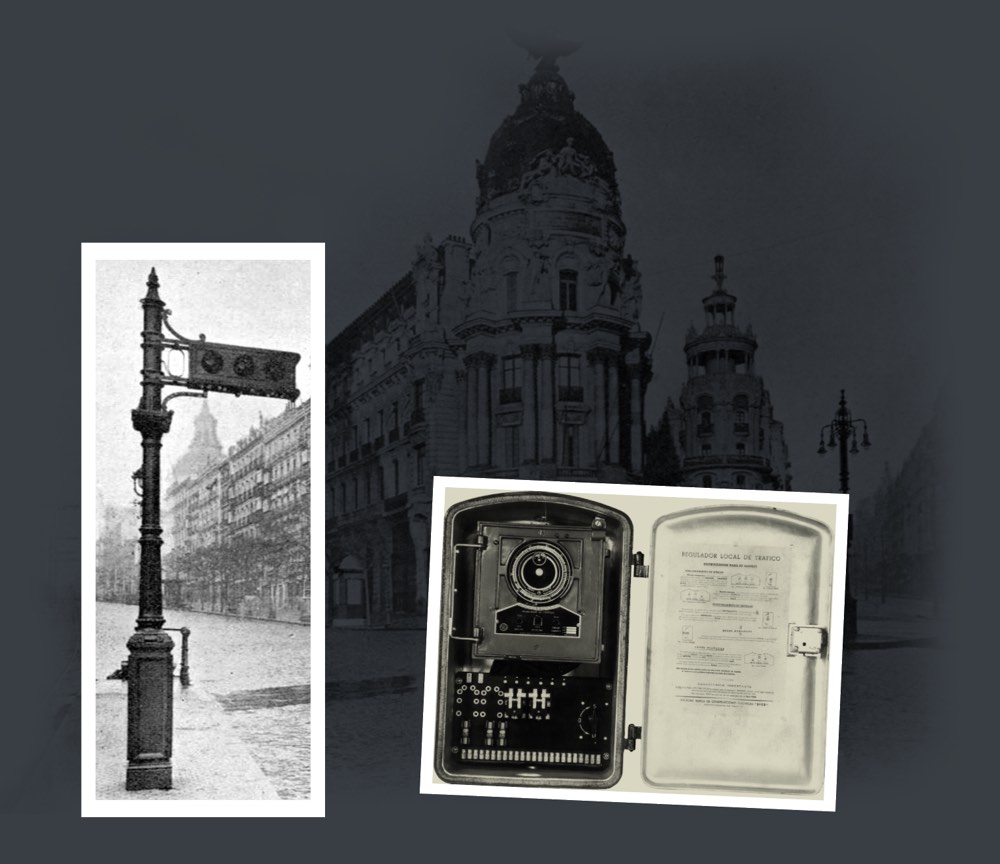
SICE pioneered this new system in Spain by installing the first traffic lights in Madrid (1926) and Barcelona (1929). Initially, they were manually operated by traffic guards, then regulators started to be used, turning the traffic lights on and off at predetermined time intervals. In the 1940s and 1950s, SICE installed this simple equipment throughout the Spanish territory.
Urban traffic
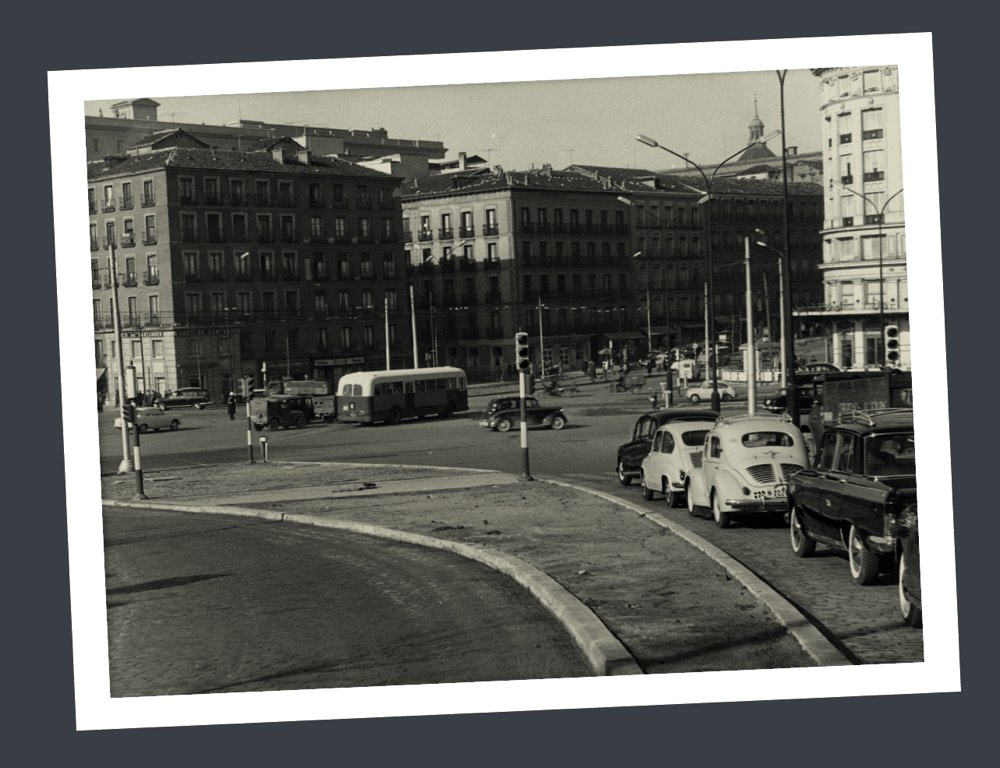
However, vehicle production was growing very fast, Since the in-house manufacturing of tourism vehicles began in Spain around 1953, it became more necessary than ever to offer citizens an effective solution to organise traffic regulation.
The Centralised Traffic Control Panel
In 1958, the most innovative system of the moment was installed: the zone control panel.
The function of the Centralised traffic control panel was to synchronise the phases and cycles of the traffic lights at different intersections, guaranteeing the safety of the users and smooth and fluent circulation of the vehicles.
Designed by the engineer Gabriel Ferraté, the first centralised traffic control unit allowed the synchronisation of 12 traffic lights placed at crossroads on Urgell street in Barcelona.
The evolution of traffic control systems (mobility management) in cities is still going on today, evolving from electromechanical systems to the latest technologies in connected vehicles and 5G communications.