

Choose language
Search
  • Homepage
    HomepageHomepageHomepageHomepageHomepage
  • Timeline
    TimelineTimelineTimelineTimelineTimeline

At the beginning of the 21st century,

the interest in improving the lives of citizens in large capitals was added to the will to do so in a sustainable way.

By the end of the first decade of the 2000s, many Spanish municipalities saw the need to renew some municipal services such as lighting, reducing pollution, and optimising energy and economic expenditure.


Some localities, such

as Gijón or San Sebastián created maintenance and renewal contracts. In the case of San Sebastián, the provision of the city's public lighting maintenance service began in 1996. It has been renewed over these 25 years.

In the case of Gijón, the energy efficiency through innovation research has led to the creation of infrastructures such as Demolab, currently operating in the city.

Energy Services Company

In parallel, a new work model emerged: ESEs. As an Energy Services Company (ESE), SICE can finance the renovation of the luminaires through the savings obtained during the agreed years of maintenance and management. This new contracting method has allowed many councils to immediately tackle comprehensive renovation projects, offering a better service to citizens, optimising resources and reducing pollution levels.

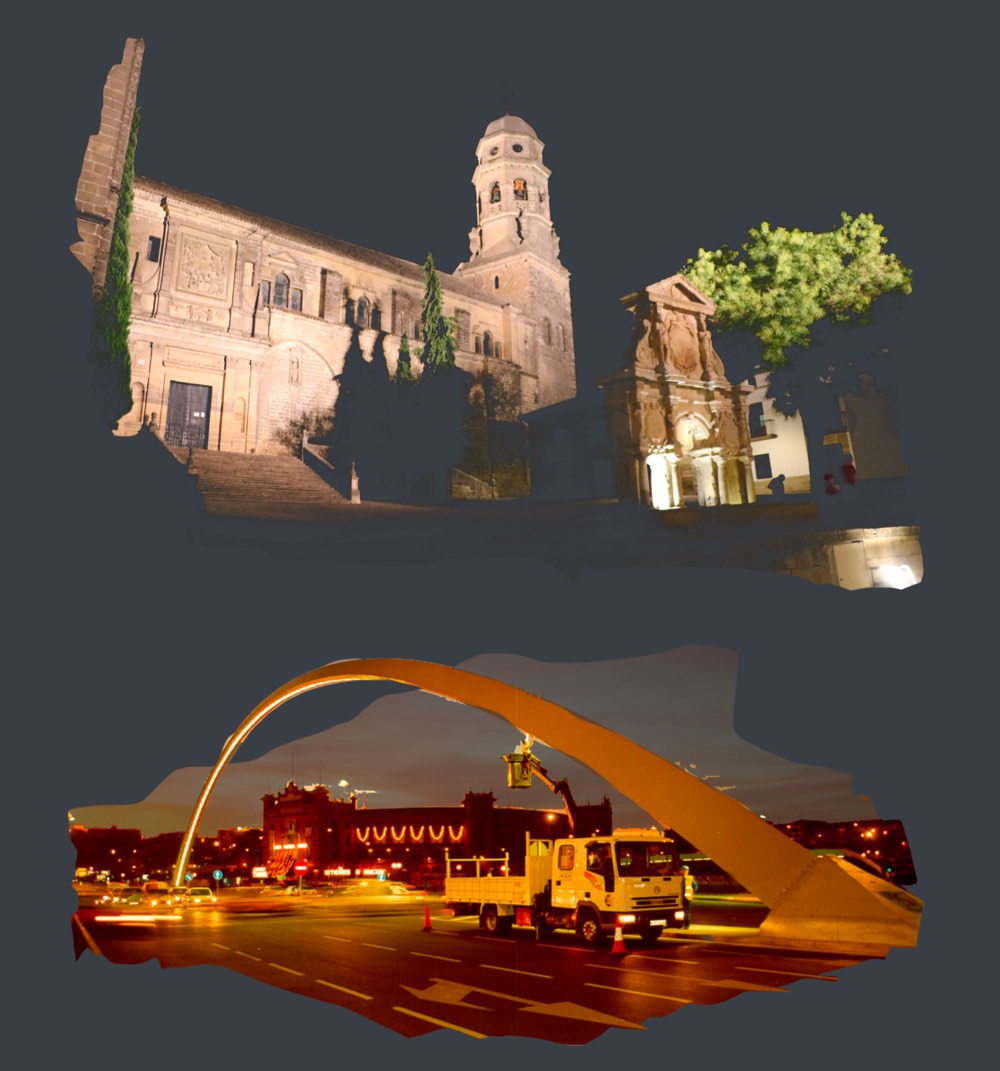
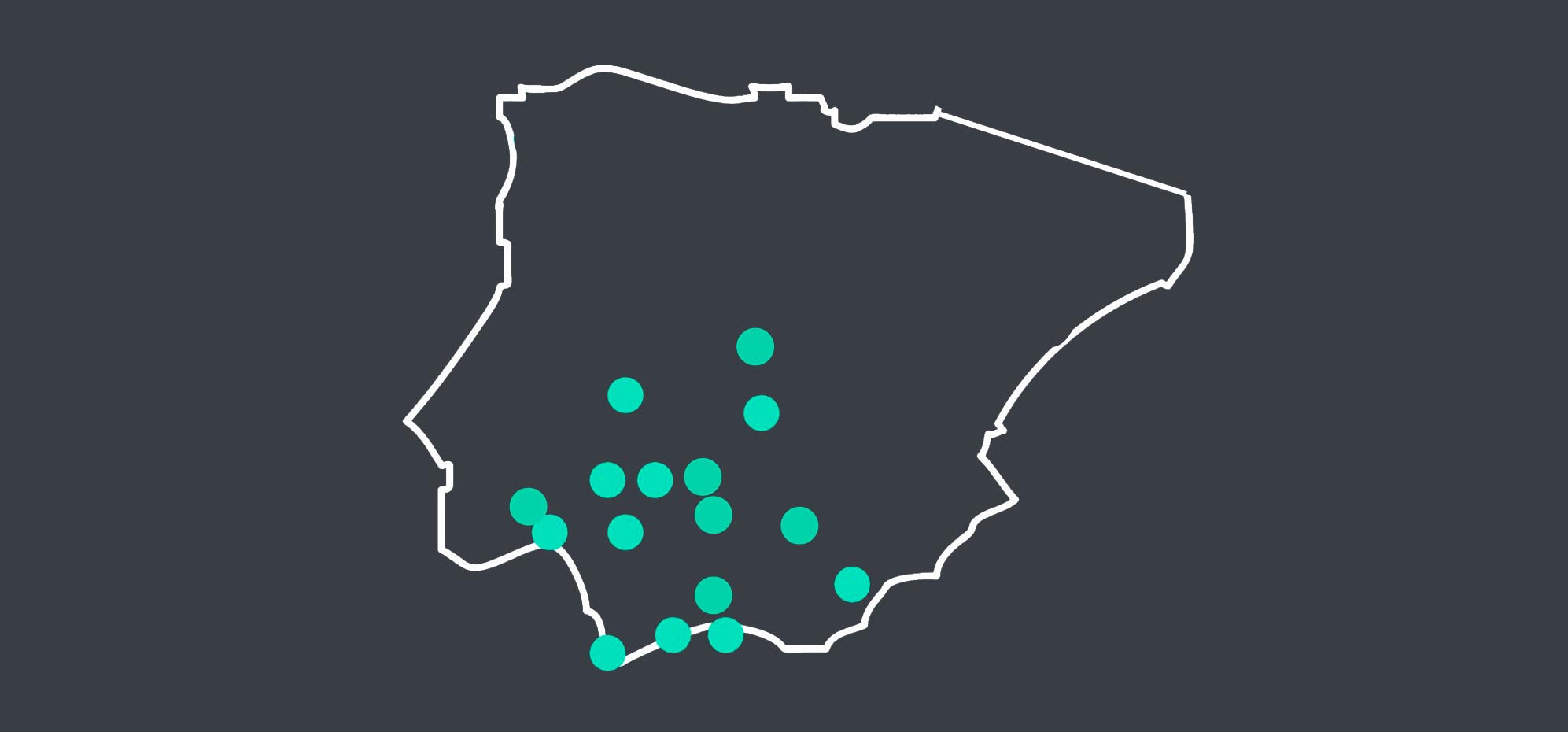
In the last 20 years, cities such as Antequera, Baeza, Cáceres, Coín, Espartinas, Fuente Palmera, Moguer, Móstoles, Tegueste, Toledo, Villajoyosa or Villatorres, among others, have achieved energy savings of over 80% in some cases.

The main objective

of this integrated management are energy saving and pollution reduction. To achieve this, LED luminaires are installed. This technology was developed at the end of the 20th century, but it was not mature enough until the 21st century to be implemented in public lighting. This type of lighting, very common in homes, is much more efficient in terms of consumption and lifetime than the traditional incandescent, halide or sodium vapour used up to now.

With more than 155,000 luminaires and almost 1,800 command centres, Madrid is undoubtedly one of Spain's largest replacements to date.

In 2012,

the Town Hall set out to reduce pollution, economic and energy costs. To achieve this, it unified all those contracts related to electricity consumption in search of integrated management by the ESCO.

The contract went out to tender in 2014 for 8 years and was divided into three lots. Two of them were awarded to the UTE Luz Madrid, owned by SICE and other companies, all with extensive experience in this sector. The lots awarded correspond to the central and western areas of the municipality, where the company manages and maintains public lighting, traffic regulation, ornamental fountains and security and control systems in tunnels.

The initial perception among citizens

was that the intensity of the light was lower, as it is cooler than sodium vapour lights. To avoid this, only luminaires below 6 metres in height were replaced by LEDs in Madrid's urban lighting, and a neutral colour temperature was chosen to give them a warmer appearance. The intensity was adjusted in the rest of the lighting to complement the savings favoured by this replacement.

In addition to the LED's technological improvement, the Avisa System was implemented, an app allowing citizens to report incidents in municipal services to ensure maintenance work is more efficient.

Many of the large lighting contracts in Spain are tendered under this modality of energy services, long-term contracts with a large investment.